Not Everyone Has the Same Hearability
Listening on the coast of Nagasaki

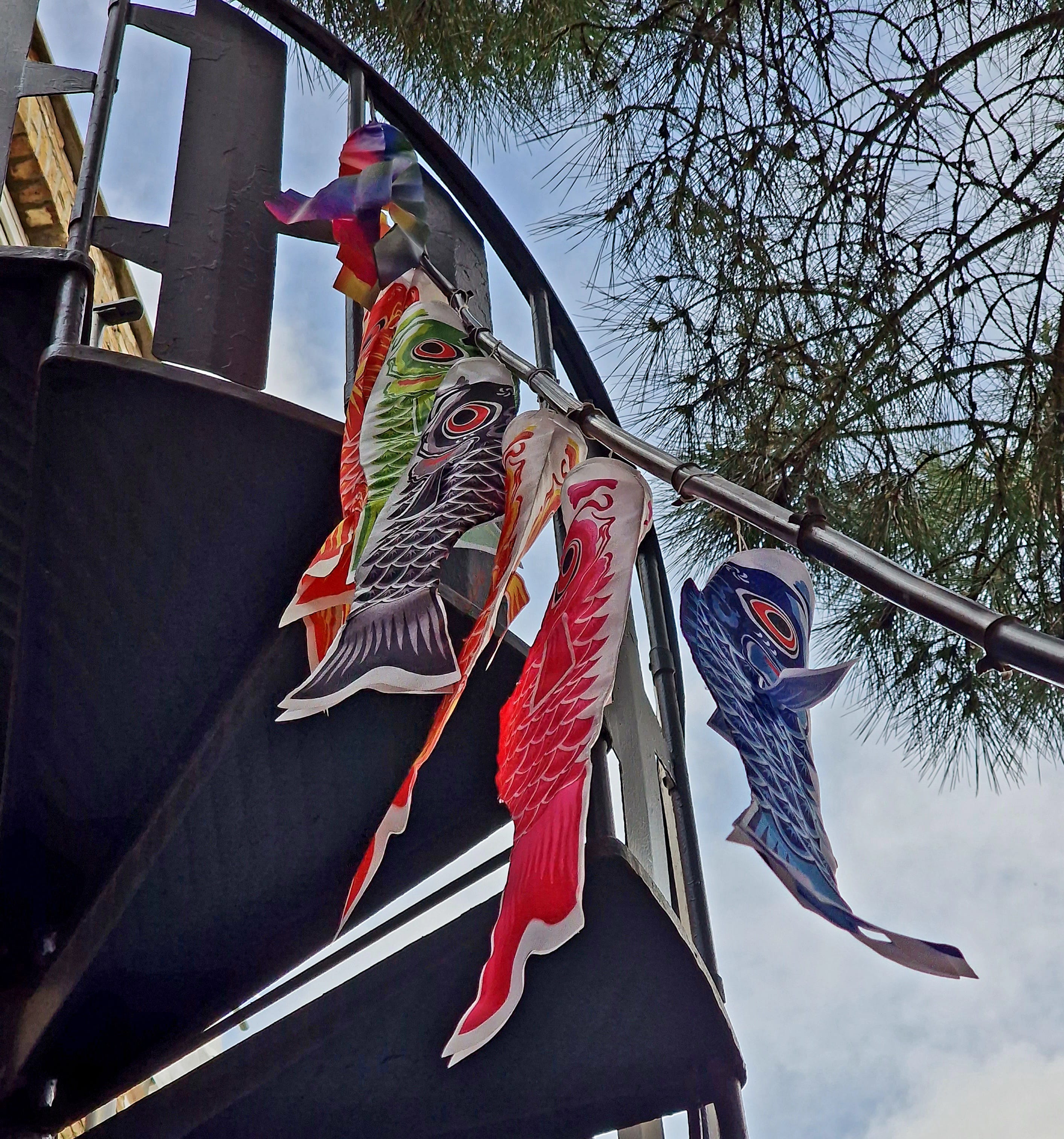
May 5th in Japan is Children’s Day, a day when bright carp streamers traditionally filled the skies above houses. I’ve faithfully put out the streamers in my garden, remembering the joy my now adult children have brought us over the years. Almost reflexively then, I’d photograph the carp and post them on social media, until one year a friend pointed out that posting them might be thoughtless to those who don’t have children.
That year, I remember doing the thing that many do when they’re told they’ve caused hurt. I defended myself, saying that no one could see the carp streamers in my back garden, forgetting that on the internet, everyone can in theory see and hear everything.
The internet is often described as a vast and connected space, capable of reaching listeners in faraway places in an instant. It also shares without interruption, and encourages us to believe that if something is clearly expressed, it will be heard as intended. People will understand exactly what we meant, and it will be heard in the way we meant it.
I’ve since realised, though, that clarity alone doesn’t travel as far as we think it does. I found myself thinking about this during a recent visit to Kyushu, one of the four main islands in Japan.
We started our journey in the contemporary port city of Fukuoka, then made our way down to Nagasaki. Fukuoka, with its proximity to Tokyo, has grown into a modern and outward-facing city. By contrast, Nagasaki, most widely known in the West as the site of the second atomic bomb, seems distilled in time as it must have been during the two centuries of Sakoku, when Japan closed its doors to much of the outside world.
Once the entry point for all things new, today, Nagasaki’s old trams make it feel like it’s lost in time. Off the tourist radar, nowhere was this more apparent than on the small island of Ikeshima, reached by local bus and then by one of two short ferry rides north of the city.
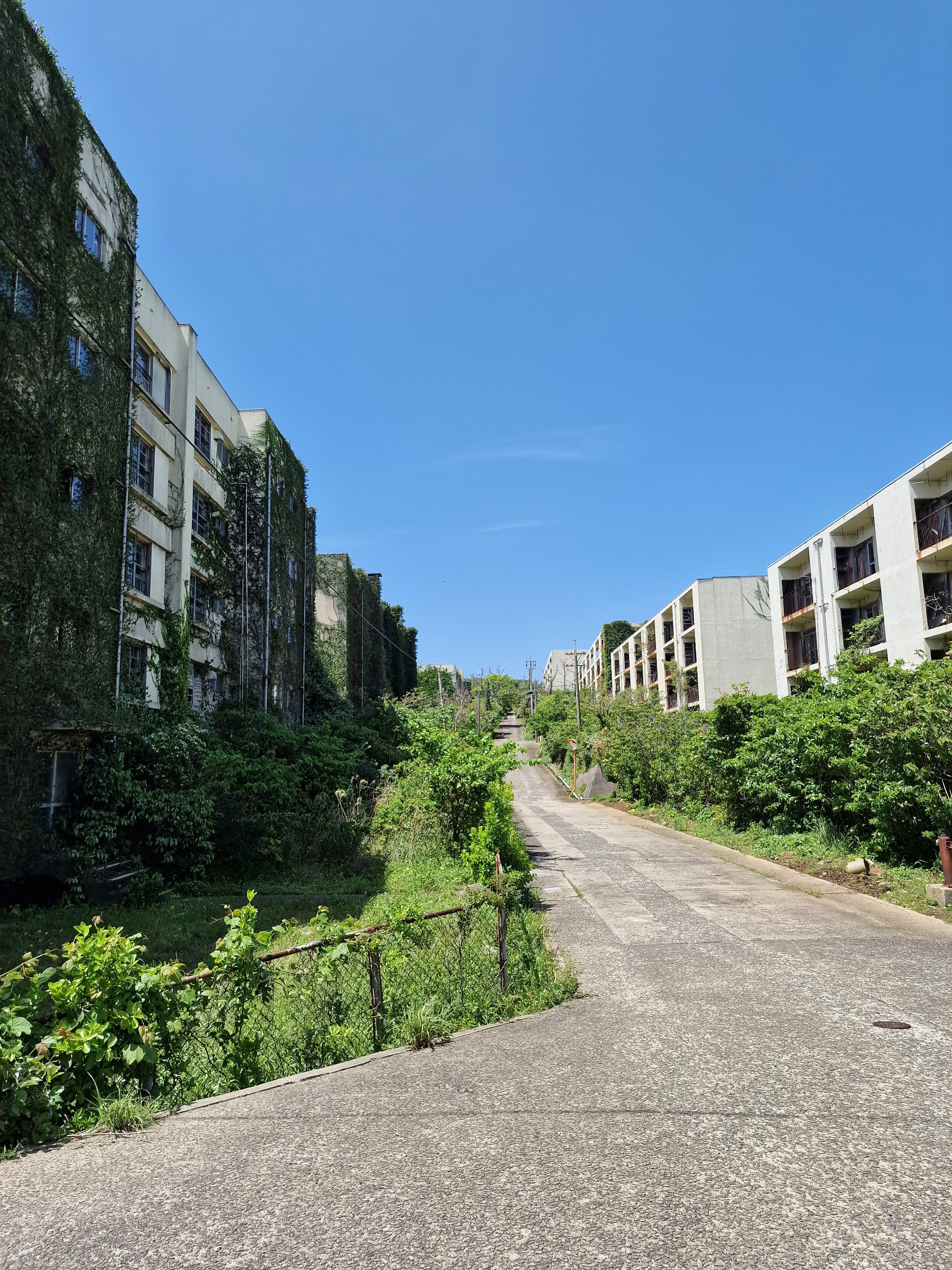
Ikeshima was once home to over eleven thousand residents, but today, there are fewer than a hundred. Walking through the island, it is not only the abandoned buildings that arrest attention, but the absence within them. There are no children. No human movement that seems to move anyone forward. With only vegetation beginning to take hold, it seemed a place where nothing is competing to be heard.
On the bus drive back, it’s almost impossible not to trace the path taken by the plane that would eventually turn inland toward Nagasaki, before dropping and silencing an entire city. It occurred to me then that the atomic bomb makes blatant that everyone or everything is not equally heard.
In the Atomic Bomb Peace Museum, the majority of visitors were foreign nationals. In one section, Japanese survivors recounted their experiences in Japanese, and a lone Japanese man sat listening. After he left, I switched to the accounts of foreign nationals recounting their experiences in English, and more visitors then gathered there. In a single space, but different voices, we are not equally heard.
A week after my journey to Kyushu, what has stayed with me was not only the contrast between cities, or between presence and absence, but the unevenness of what can be heard at all.
We often assume that if something is visible, or clearly expressed, it will reach others as we intend. But I learned there that hearability is not evenly distributed. It shifts with place, with timing, with history, with who is present to receive what there is to be heard.
The question is not only how something is said, but whether it can travel, and whether there is anywhere for it to arrive.
Such a thoughtful piece Haru. I was a little startled by the comment of your friend, who made you feel unthoughtful. If we all remained silent for fear of not taking into account everyone else’s feelings, what in fact would be said at all. Listening to your heart, that is something you do well. x